Hvor længe holder en lille bjælkehytte egentlig? Data fra rigtige ejere
How Long Does a small log cabin Actually Last? Data From Real Owners
After spending months researching small log cabin options for a personal project, I kept running into the same problem: most of the information online felt recycled, generic, or straight-up promotional. So I decided to put together something genuinely useful. This article covers the real considerations — the stuff that actually matters when you're deciding whether a small log cabin makes sense for your situation.
Small Log Cabin Trends in 2026: What's Changing and What's Coming
The small log cabin industry moves faster than most people realize. Having tracked developments over the past few years and spoken with manufacturers, architects, and owners, here are the trends that are shaping the market in 2026 and beyond.
1. Energy-Positive Design
We've moved well beyond "energy-efficient" into territory where small log cabin actually produce more energy than they consume. This shift is driven by:
- Solar panel efficiency gains: Modern panels now achieve 22-24% efficiency (up from 15-18% five years ago), meaning smaller arrays produce more power. Building-integrated photovoltaics (BIPV) — solar panels that serve as roof or wall materials — are becoming commercially viable.
- Battery storage breakthroughs: Lithium iron phosphate batteries have dropped 40% in price since 2022 while improving in cycle life and safety. Solid-state batteries, expected to reach the market by 2027, promise another step-change in performance.
- Heat pump evolution: Cold-climate heat pumps now operate efficiently at temperatures as low as -15°F (-26°C), making them viable for off-grid small log cabin in virtually any climate without supplemental heating.
The practical impact: a properly designed small log cabin in 2026 can achieve net-zero or net-positive energy performance for 0,000-5,000 in additional equipment cost — an investment that pays for itself within 5-8 years.
2. Smart Home Integration
The stereotype of a small log cabin as a rustic, low-tech retreat is outdated. Modern small log cabin increasingly feature sophisticated smart home systems:
- Automated climate control that learns occupancy patterns and optimizes heating/cooling for comfort and efficiency
- Smart security systems with cameras, motion sensors, and remote monitoring — especially valuable for vacation and rental properties
- Voice-controlled lighting, shades, and entertainment systems that simplify operation
- Water monitoring systems that detect leaks and shut off supply automatically, preventing costly water damage
- Energy monitoring dashboards that track solar production, battery status, and consumption in real-time
3. Biophilic Design Principles
The design philosophy of connecting building occupants with nature has moved from architectural theory to mainstream practice in small log cabin design. Key elements include:
- Living walls and green roofs that blend structures into natural surroundings
- Natural material palettes emphasizing exposed wood grain, stone, and organic textures
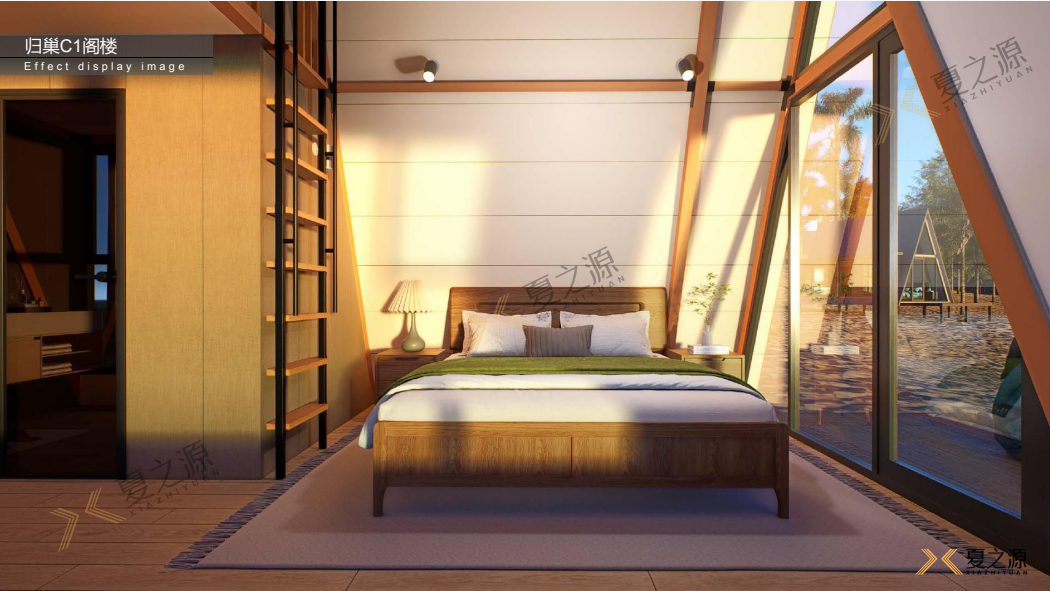
- Large-format glazing that frames views and maximizes natural light while maintaining energy efficiency
- Indoor-outdoor flow through covered decks, folding glass walls, and courtyard designs
Research shows biophilic design reduces stress, improves cognitive function, and increases well-being — benefits that particularly resonate with small log cabin owners seeking refuge from urban life.
4. Modular and Scalable Design
A significant trend in 2026 is the move toward modular small log cabin that can grow or adapt over time:
- Start-small, expand-later designs that allow owners to add modules as needs and budgets permit
- Multi-use spaces with convertible layouts that adapt to different functions (living room becomes guest room, home office becomes bedroom)
- Standardized connection systems that make adding or reconfiguring modules straightforward without specialized construction skills
This approach is particularly appealing to younger buyers who want to enter the property market affordably and upgrade over time.
5. Sustainable and Low-Carbon Materials
Environmental consciousness is driving material innovation:
- Mass timber construction (cross-laminated timber, glulam) is replacing steel and concrete in larger small log cabin projects, with a dramatically lower carbon footprint
- Recycled and reclaimed materials are being incorporated into small log cabin construction, creating unique aesthetic character while reducing waste
- Low-VOC finishes and treatments have become standard as indoor air quality concerns drive material selection
- Locally sourced lumber reduces transportation emissions and supports regional economies — a selling point that resonates with environmentally conscious buyers
6. The small log cabin as Revenue Generator
More owners are viewing their small log cabin not just as a personal retreat but as an income-producing asset:
- Short-term rental platforms (Airbnb, VRBO) make it easy to rent small log cabin when not in personal use. Well-located properties in desirable areas can generate 0,000-0,000+ annually.
- Workation retreat hosting for remote teams and corporate groups is a growing niche with premium pricing potential.
- Content creation spaces — unique small log cabin are increasingly sought as locations for photo shoots, video productions, and brand activations.
Frequently Asked Questions
- What's the most important small log cabin trend to watch? Energy-positive design combined with smart home integration. This combination is creating small log cabin that are more comfortable, more autonomous, and more valuable than ever before.
- Will small log cabin get cheaper? Manufacturing efficiency gains are gradually reducing costs, but raw material prices and labor costs continue to rise. Expect stable pricing with improving value rather than significant price drops.
- Is it worth waiting for new technology before buying? Probably not. The technology available today — especially solar, batteries, and insulation — is mature and effective. Waiting for the "next big thing" often means years of missed enjoyment and potentially higher prices.