vacation cabin Insulation Guide: Staying Warm Without Breaking the Bank
vacation cabin Insulation Guide: Staying Warm Without Breaking the Bank
I've visited several vacation cabin projects over the past two years — from small backyard studios to full-scale hospitality developments — and the gap between what people expect and what they actually get is surprising. This guide pulls together the lessons, mistakes, and practical tips I've gathered along the way. If you're at the early stages of considering a vacation cabin, this should save you some headaches.
Designing Your vacation cabin: Layout Ideas and Practical Considerations
The design phase of a vacation cabin project is where good intentions either translate into a space you'll love for years or a collection of compromises you'll tolerate. Here are the design considerations that matter most, based on what actual owners have shared.
Start With How You'll Use the Space
This sounds obvious, but it's the single most common source of regret among vacation cabin owners. Before sketching floor plans or browsing catalogs, answer these questions honestly:
- How many people will typically use the space? A couple's weekend retreat has very different space needs than a family vacation home that hosts extended family gatherings.
- What's the primary activity? If you're a skier who just needs a warm place to sleep and store gear, you can go much smaller than someone who plans to spend entire weeks indoors during winter.
- How does the space need to perform seasonally? A summer-only cabin can get away with less insulation and simpler HVAC. A year-round residence needs proper climate control for extreme temperatures.
Smart Layout Principles
After reviewing dozens of vacation cabin floor plans, certain patterns consistently produce better living experiences:
- Open-concept main living area: Combining the kitchen, dining, and living areas into one open space makes even small vacation cabin feel spacious. This is especially effective in structures under 800 sq ft.
- Strategic window placement: In a vacation cabin, natural light is your best friend. Large windows on the south-facing wall (in the Northern Hemisphere) maximize passive solar heating in winter. Cross-ventilation from opposing windows reduces cooling needs in summer.
- Loft spaces: If ceiling height allows, a loft sleeping area effectively doubles usable space without increasing the footprint. It's the single most impactful design feature for small vacation cabin.
- Murphy beds and convertible furniture: In sub-400 sq ft designs, furniture that serves dual purposes (bed that becomes a sofa, dining table that folds away) transforms the living experience.
- Built-in storage: Every vacation cabin needs more storage than you think. Built-in cabinets, under-stair storage, and attic access maximize usable space without clutter.
Kitchen and Bathroom Design
These two rooms make or break daily livability. Some specific recommendations from owners:
Kitchen: Don't try to replicate a full-sized home kitchen. Instead, focus on efficient layouts that work within the available space. A galley kitchen with counter-depth appliances, pull-out pantry storage, and a compact but functional work triangle works remarkably well in 40-80 sq ft. Include a dishwasher — it's a small luxury that makes a huge difference in a small space.
Bathroom: A 5x7 ft bathroom is the minimum for comfort. Walk-in showers take less space than tubs and are preferred by most vacation cabin owners. Consider a composting toilet if you're going off-grid — modern models are odorless and require minimal maintenance. If connected to sewer, a standard toilet with a macerating pump system allows flexibility in placement.
Exterior Design Considerations
The exterior of your vacation cabin needs to perform multiple functions: weather protection, aesthetic appeal, and integration with the surrounding environment. Key decisions include:
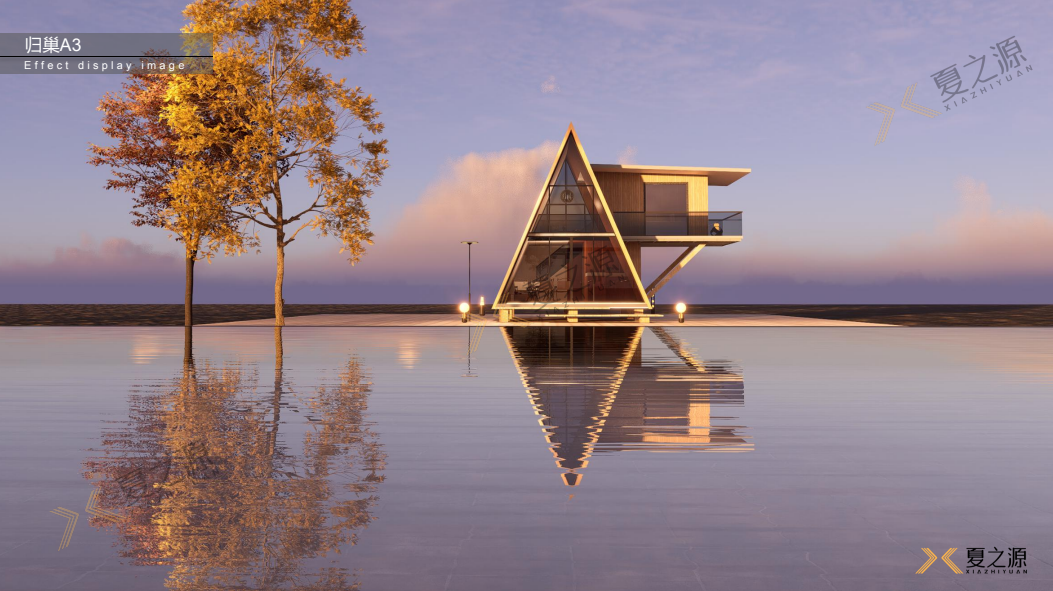
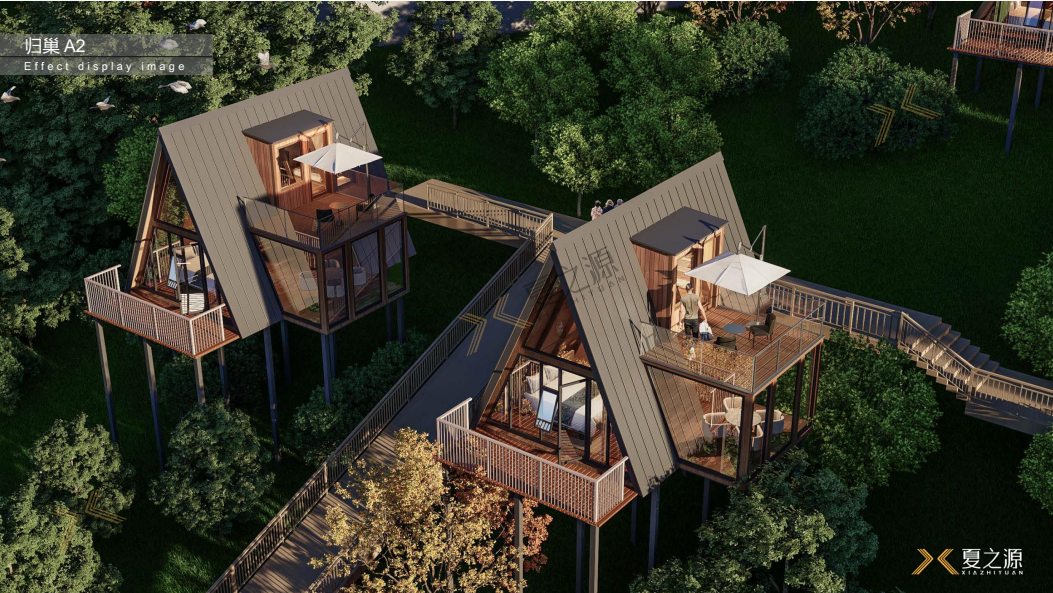
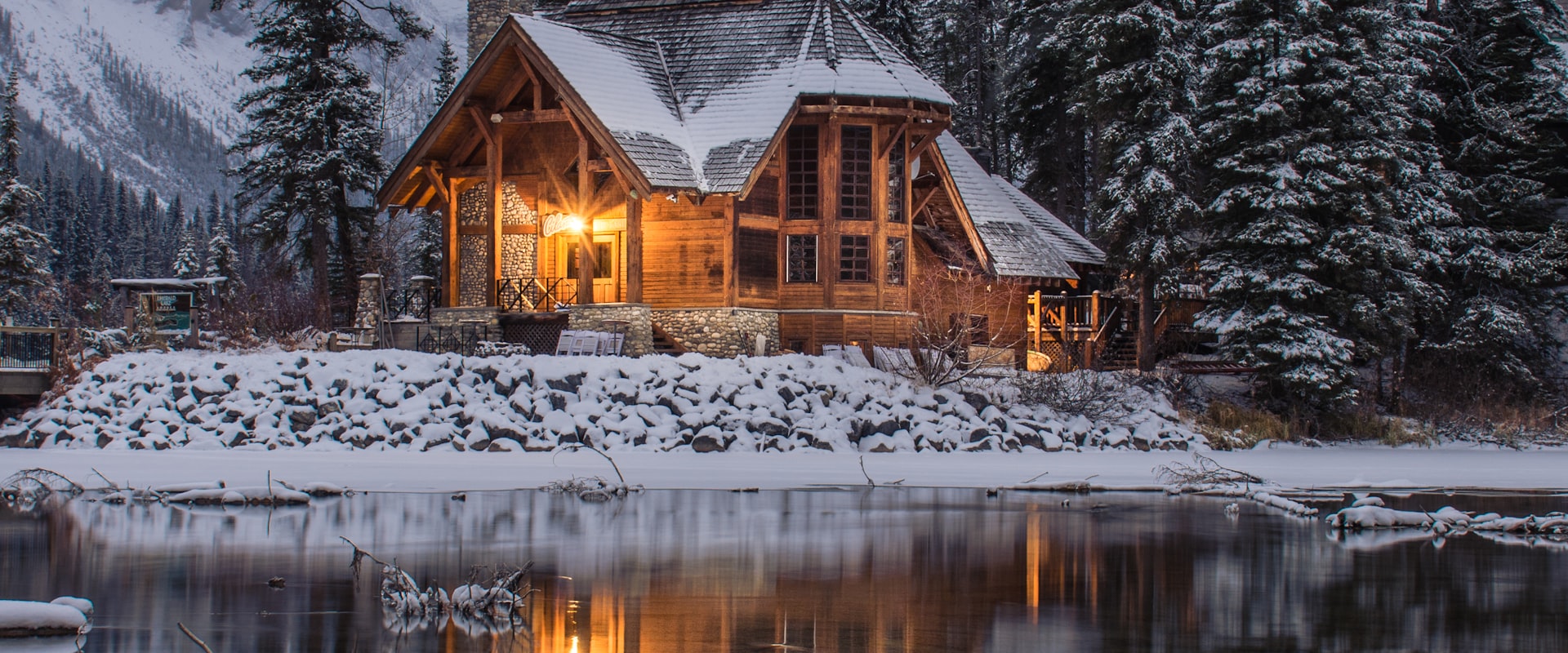
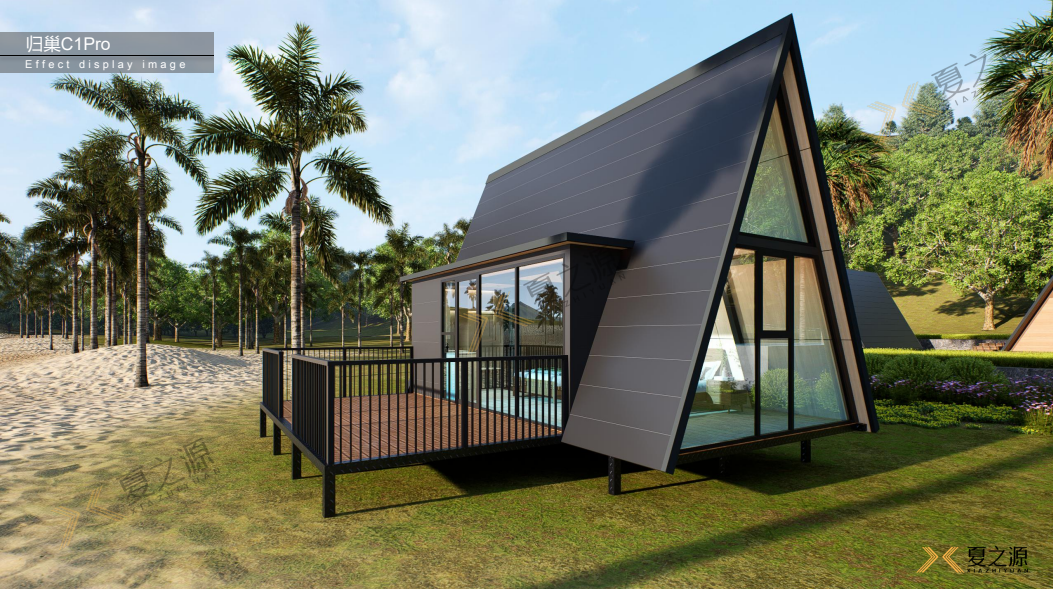
- Roof style: Gable roofs shed snow and rain effectively and create useful attic space. Shed roofs are simpler and work well for modern designs. Hip roofs perform best in high-wind areas but are more complex to build.
- Decking and outdoor living space: In warm climates, the outdoor living area often gets more use than the indoor space. Plan for a covered deck or porch that's at least 8-10 ft deep — shallow 4-foot porches feel cramped and rarely get used.
- Color scheme: Natural wood tones blend with most environments. Dark stains (charcoal, espresso) create a modern look. Lighter stains (honey, natural) feel more traditional and show the wood grain. Either way, use a quality exterior stain with UV protection.
Mistakes People Make in vacation cabin Design
- Over-designing: Trying to fit too many rooms into a small space results in cramped, unusable areas. It's better to have fewer, larger rooms than many tiny ones.
- Neglecting storage: You will accumulate things. Plan for more storage than you think you need — you'll fill it.
- Ignoring the site: A design that looks great on paper might not work on your specific lot. Consider sun angles, prevailing winds, views, access, and existing vegetation.
- Under-insulating: The incremental cost of upgrading insulation is small compared to years of high energy bills. Insulate to the maximum your budget allows.
- Forgetting about utilities routing: Plan where plumbing and electrical will run early in the design process. Rerouting utilities in a finished vacation cabin is expensive and disruptive.
Frequently Asked Questions
- How big should a vacation cabin be? For a weekend retreat, 300-600 sq ft works well for a couple. For a family of four, 800-1,200 sq ft is more comfortable. For year-round living, plan for at least 800 sq ft minimum.
- Can I customize a vacation cabin floor plan? Most manufacturers offer customization options ranging from minor modifications to fully custom designs. Custom designs cost more and take longer but ensure the space fits your exact needs.
- What's the best layout for a small vacation cabin? An open-concept main floor with a loft bedroom is hard to beat for spaces under 500 sq ft. It maximizes usable area and creates a sense of spaciousness that divided layouts can't match.