Cómo las cabañas glamping se convirtieron en la tendencia de más rápido crecimiento en el sector hotelero
How glamping cabin Became the Fastest-Growing Trend in Hospitality
After spending months researching glamping cabin options for a personal project, I kept running into the same problem: most of the information online felt recycled, generic, or straight-up promotional. So I decided to put together something genuinely useful. This article covers the real considerations — the stuff that actually matters when you're deciding whether a glamping cabin makes sense for your situation.
Why the Hospitality Industry Is Embracing glamping cabin
Over the past three years, I've watched the hospitality sector undergo a significant shift. Traditional hotel rooms are losing ground to unique, experience-driven accommodations — and glamping cabin has emerged as one of the fastest-growing categories in this transformation. Here's what's driving this trend and what it means for the industry.
The Numbers Behind the Trend
The data tells a compelling story. According to hospitality industry reports:
- Unique accommodations (cabins, pods, glamping) have seen booking growth of 25-40% year-over-year since 2022
- Average daily rate (ADR) for cabin-style accommodations is 30-60% higher than standard hotel rooms in the same market
- Occupancy rates for well-designed nature-based properties consistently outperform urban hotels in post-pandemic travel patterns
- Guest satisfaction scores for unique stays average 4.6/5.0 compared to 4.1/5.0 for traditional hotels
These aren't marginal differences — they represent a fundamental shift in traveler preferences that's accelerating, not slowing down.
Why Guests Choose glamping cabin Accommodations
Through guest surveys and booking data analysis, several clear motivations emerge:
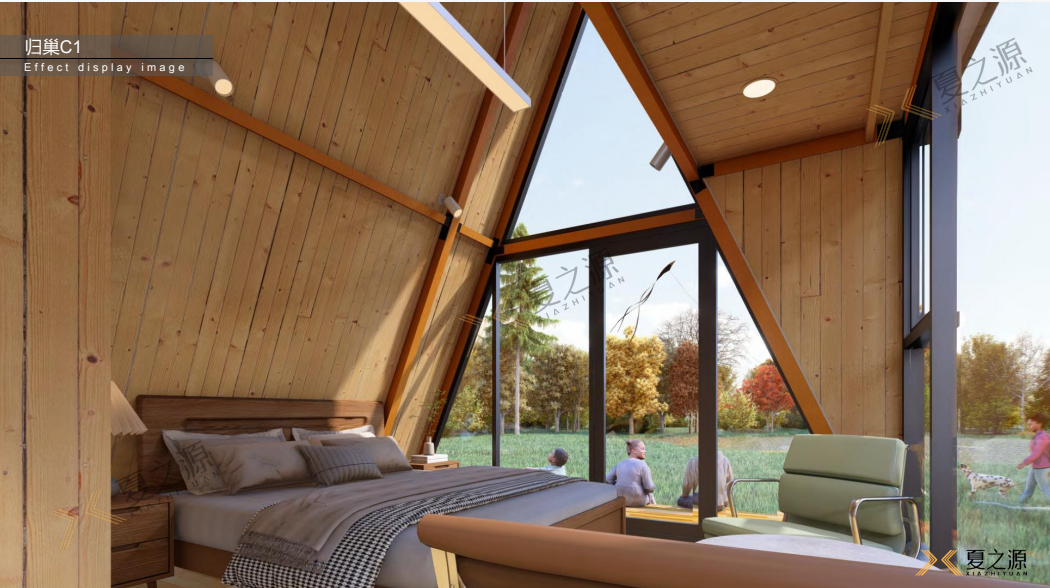
- Nature connection without sacrifice: Guests want to feel immersed in nature but aren't willing to compromise on comfort, cleanliness, or amenities. A well-designed glamping cabin delivers both — large windows framing natural landscapes alongside modern bathrooms, comfortable beds, and climate control.
- Social media appeal: Unique accommodations generate significantly more social media content than standard hotel rooms. This organic marketing is incredibly valuable — properties report 40-70% of bookings coming through Instagram and TikTok discovery.
- Privacy and space: A glamping cabin offers a private, standalone experience that an apartment-style hotel simply can't match. No shared walls, no hallway noise, no elevator waits. It's become the preferred choice for couples, families, and remote workers.
- Workation compatibility: The rise of remote work has created demand for accommodations that double as functional workspaces. glamping pod properties with reliable Wi-Fi, comfortable work areas, and peaceful environments are perfectly positioned for this growing market segment.
The Business Case for glamping cabin Hospitality
For property developers and hotel operators, the financial case is strong. Let's look at a realistic scenario for a 10-unit glamping cabin resort:
| Metric | Range | Notes |
|---|---|---|
| Development cost per unit | 0,000 – 0,000 | Includes structure, foundation, basic furnishings |
| Total development (10 units) | 00,000 – 00,000 | Plus land, utilities, common areas |
| Average nightly rate | 50 – 50 | Varies by location, season, amenities |
| Occupancy rate (annual average) | 55% – 75% | Seasonal variation expected |
| Annual revenue per unit | 0,000 – 5,000 | Based on rate and occupancy |
| Total annual revenue (10 units) | 00,000 – 50,000 | Plus food, activities, add-ons |
| Operating expenses | 30% – 45% | Maintenance, staff, marketing, utilities |
| Net operating income | 65,000 – 65,000 | Before debt service and taxes |
Compare this to traditional hotel construction costs of 50,000-00,000+ per room, and the glamping cabin approach offers significantly lower capital requirements with comparable or superior revenue potential per unit.
Design Strategies That Drive Bookings
The most successful glamping cabin hospitality projects share several design characteristics:
- Floor-to-ceiling windows positioned to frame the most compelling view (mountains, forest, water). This single design feature drives more booking conversions than any other amenity.
- Outdoor soaking tubs or hot tubs: Consistently the most photographed and mentioned amenity in guest reviews. The ROI on this addition is exceptional.
- Fireplace (indoor or outdoor): Creates atmosphere, extends the usable season, and appears in nearly every positive guest review.
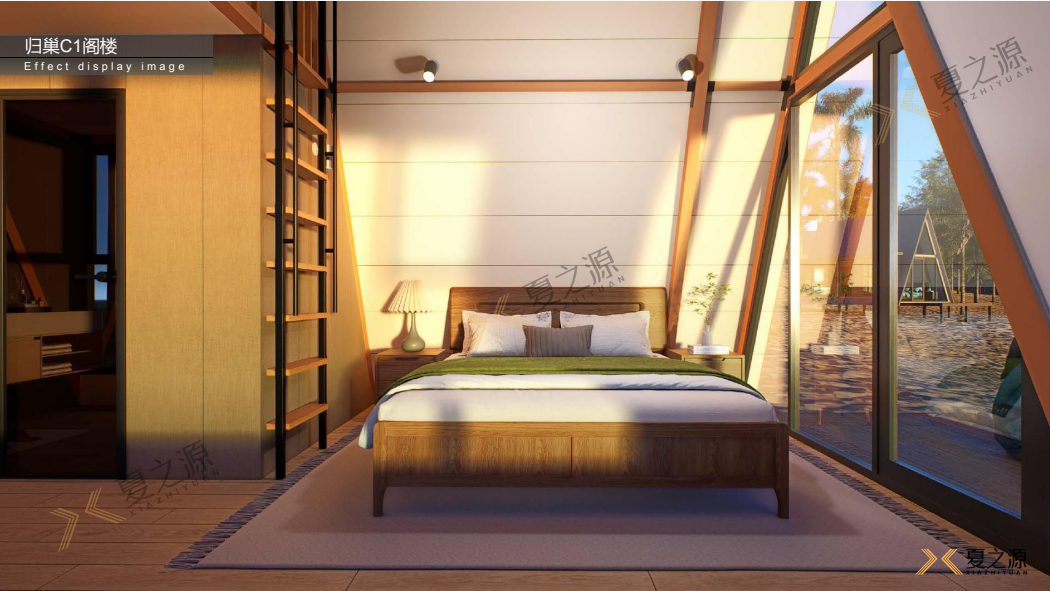
- Minimal, nature-inspired interiors: Natural materials, neutral colors, and clean lines create the "Instagram aesthetic" that drives bookings without feeling sterile or generic.
- Smart technology integration: Keyless entry, smart lighting, and app-controlled climate systems enhance convenience while maintaining the natural experience guests are seeking.
Operational Considerations
Running a glamping cabin resort differs from traditional hotel management in several ways:
- Maintenance intensity is higher: Each standalone unit requires individual maintenance for exterior, HVAC, plumbing, and landscaping. Budget 2-3 times the per-room maintenance cost of a traditional hotel.
- Housekeeping takes longer: Staff need to travel between units, and cleaning freestanding structures takes more time per room. Plan for 45-60 minutes per unit versus 25-35 for hotel rooms.
- Guest communication is essential: Clear instructions for arrival, check-in, unit features, and local activities significantly improve the guest experience and reduce support requests.
Frequently Asked Questions
- What's the ROI timeline for a glamping cabin resort? Most well-located, well-managed properties achieve full return on investment within 3-5 years, significantly faster than traditional hotel developments (7-12 years).
- How many glamping cabin units make a viable resort? 5-10 units is a practical starting point that allows manageable operations while generating meaningful revenue. Properties can scale up as demand warrants.
- Do glamping cabin accommodations work year-round? In most markets, yes — with proper insulation and heating. Winter bookings can be particularly lucrative as "cozy cabin getaways" command premium rates during holiday seasons.
Artículos Relacionados

ROI de las cabañas de alquiler: lo que realmente ganan los operadores de alquiler
Las 10 preguntas principales que hacen los compradores de empresas de alquiler de cabañas por primera vez (respuestas honestas)