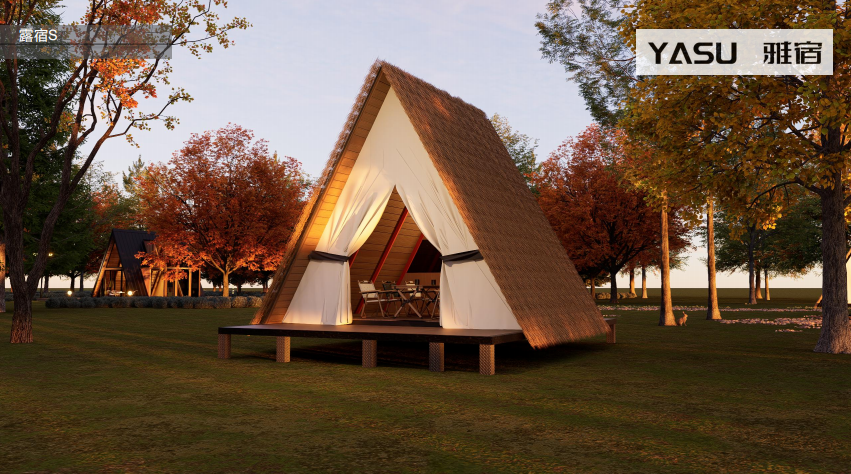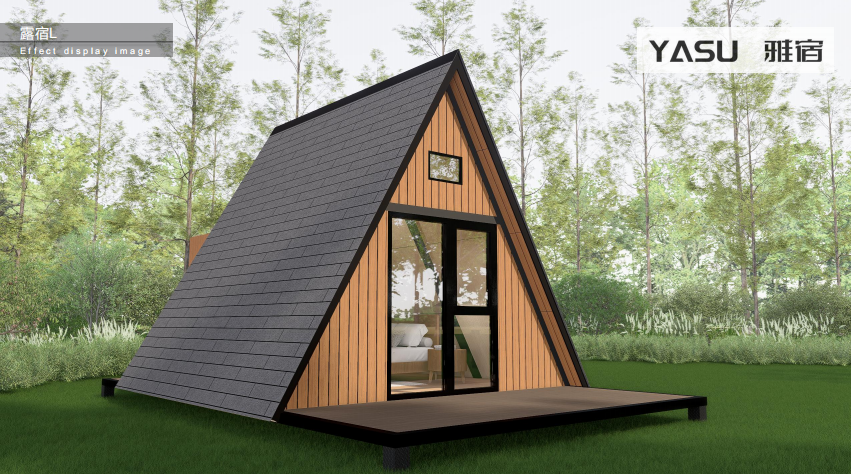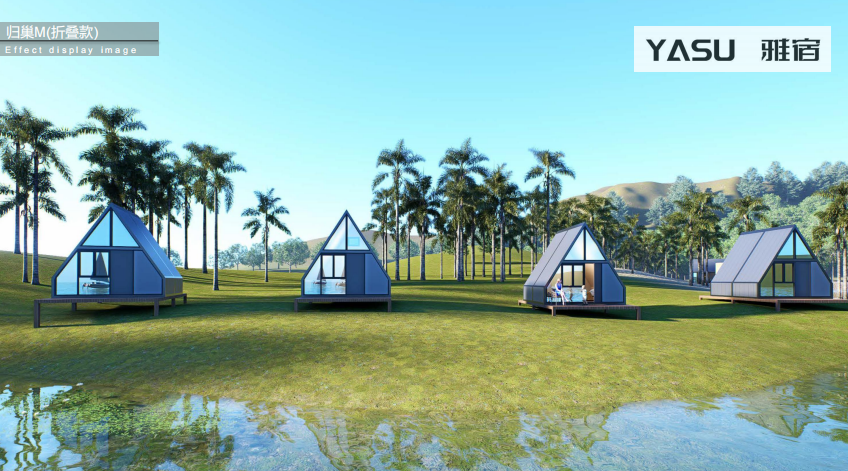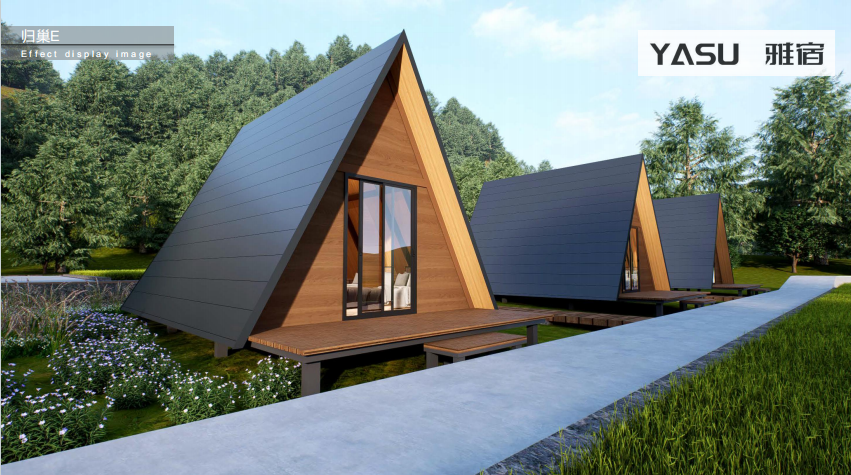
Coût de la maison en bois en 2026 : une véritable panne (nous avons demandé aux constructeurs)
wooden house Cost in 2026: A Real Breakdown (We Asked Builders)
After spending months researching wooden house options for a personal project, I kept running into the same problem: most of the information online felt recycled, generic, or straight-up promotional. So I decided to put together something genuinely useful. This article covers the real considerations — the stuff that actually matters when you're deciding whether a wooden house makes sense for your situation.
What Does a wooden house Actually Cost?
Let's start with the number everyone wants to know. Based on recent quotes from manufacturers across North America, Europe, and Asia, here's a realistic cost range for a wooden house in 2026:
| Size Range | Total Cost (2026) | Per Sq Ft | Typical Layout |
|---|---|---|---|
| Small (200-400 sq ft) | 5,000 – 5,000 | 5 – 80/sq ft | Studio or 1-bedroom |
| Medium (500-900 sq ft) | 5,000 – 40,000 | 0 – 95/sq ft | 1-2 bedroom |
| Large (1,000-2,000 sq ft) | 20,000 – 50,000 | 5 – 10/sq ft | 2-4 bedroom |
| Premium / Custom | 50,000 – 00,000+ | 50 – 50/sq ft | Fully customized |
These numbers include the structure itself — walls, roof, floor system, windows, doors, and basic interior finish. They do not include land, site preparation, foundation, utility connections, or permits, which can add another 20-40% to your total project cost.
What Drives the Price Up (or Down)
Understanding cost drivers helps you make smarter decisions early on. In my experience talking to builders and owners, these factors matter most:
- Timber species and grade: Northern white cedar and Douglas fir command premium prices but offer superior rot resistance. Southern yellow pine is more budget-friendly. The difference can be 15-30% of total material cost.
- Wall log profile: D-log (one flat side) is the most popular and cost-effective. Full-round logs look traditional but require more labor. Square logs offer the best thermal performance but cost more to manufacture.
- Insulation package: Standard insulation meets most building codes. Upgrading to high-performance packages (R-40+ walls, R-60+ roof) adds ,000-5,000 but dramatically reduces heating costs — often paying for itself within 5-7 years.
- Windows and doors: Double-pane vinyl windows are standard. Triple-pane with low-E coating adds ,000-,000 but makes a measurable difference in comfort and energy bills, especially in climates with extreme temperatures.
- Level of factory completion: A "shell package" (walls, roof, floor only) costs less but requires significantly more on-site labor. A "turnkey package" with interior walls, plumbing, and electrical rough-in costs more upfront but reduces on-site construction time by 40-60%.
Foundation Costs: The Often-Forgotten Line Item
Foundation work is easy to underestimate, especially for first-time buyers. Here's what you're realistically looking at:
- Concrete slab: ,000 – 2,000 (simple, suitable for flat sites)
- Crawlspace: ,000 – 8,000 (better for uneven terrain, allows utilities access)
- Full basement: 0,000 – 5,000 (adds significant usable space, essential in cold climates)
- Screw piles / helical piers: ,000 – 0,000 (fast installation, minimal site disruption, ideal for remote locations)
Screw piles deserve a special mention. They've become increasingly popular for timber house projects because they can be installed in a single day with minimal excavation. Several owners I spoke with chose this option specifically because it allowed them to build on sloped or rocky terrain where a traditional foundation would have been impractical.
Hidden Costs That Catch People Off Guard
Through interviews and research, I've identified several costs that buyers frequently overlook:
- Permitting and inspections: ,500 – ,000 depending on jurisdiction. Some rural areas have minimal requirements, while others treat a wooden house the same as conventional construction.
- Site preparation: ,000 – 5,000 for clearing, grading, and access road construction. Heavily wooded or steep sites cost more.
- Utility connections: ,000 – 0,000+ if you need to extend water, sewer, or electrical service to the site. Off-grid setups (solar, well, septic) have their own cost profiles.
- Delivery and crane: ,000 – ,000 depending on distance from the factory and site accessibility. Remote locations with limited road access can cost significantly more.
- Interior finishing beyond the package: Flooring upgrades, custom cabinetry, specialty lighting, and appliances can add 0,000 – 0,000+ depending on your taste.
Can You Finance a wooden house?
Yes, but the options differ from traditional mortgages. Construction loans are the most common route, typically requiring 20-30% down. Some manufacturers offer in-house financing or have partnerships with lenders who understand the wood frame house market. A few owners I spoke with used home equity lines of credit on their primary residence to fund their projects, which can offer favorable interest rates.
The bottom line: budget realistically, include a 15-20% contingency, and get detailed quotes from at least three manufacturers before committing. The cheapest option isn't always the best value — focus on total cost of ownership over the first 10 years, not just the purchase price.
Frequently Asked Questions
- How much does a small wooden house cost? A 200-400 sq ft wooden house typically costs between 5,000 and 5,000 for the structure. Add 0,000-5,000 for foundation, utilities, and site work.
- Are wooden house cheaper than regular houses? Generally yes — 20-40% less per square foot. But total project costs (including land, foundation, and utilities) narrow the gap significantly.
- Can I build a wooden house myself? Many manufacturers offer solid wood construction packages designed for owner-builders. However, you'll still need licensed professionals for electrical, plumbing, and foundation work in most jurisdictions.
- Do wooden house hold their value? Well-maintained wooden house in desirable locations appreciate at rates comparable to traditional homes — typically 3-8% annually. Unique properties in high-demand areas can exceed this.
Articles Similaires

ROI des cabines de location : ce que gagnent réellement les opérateurs de location
Les 10 principales questions posées par les acheteurs d'une première entreprise de location de cabines (réponses honnêtement)