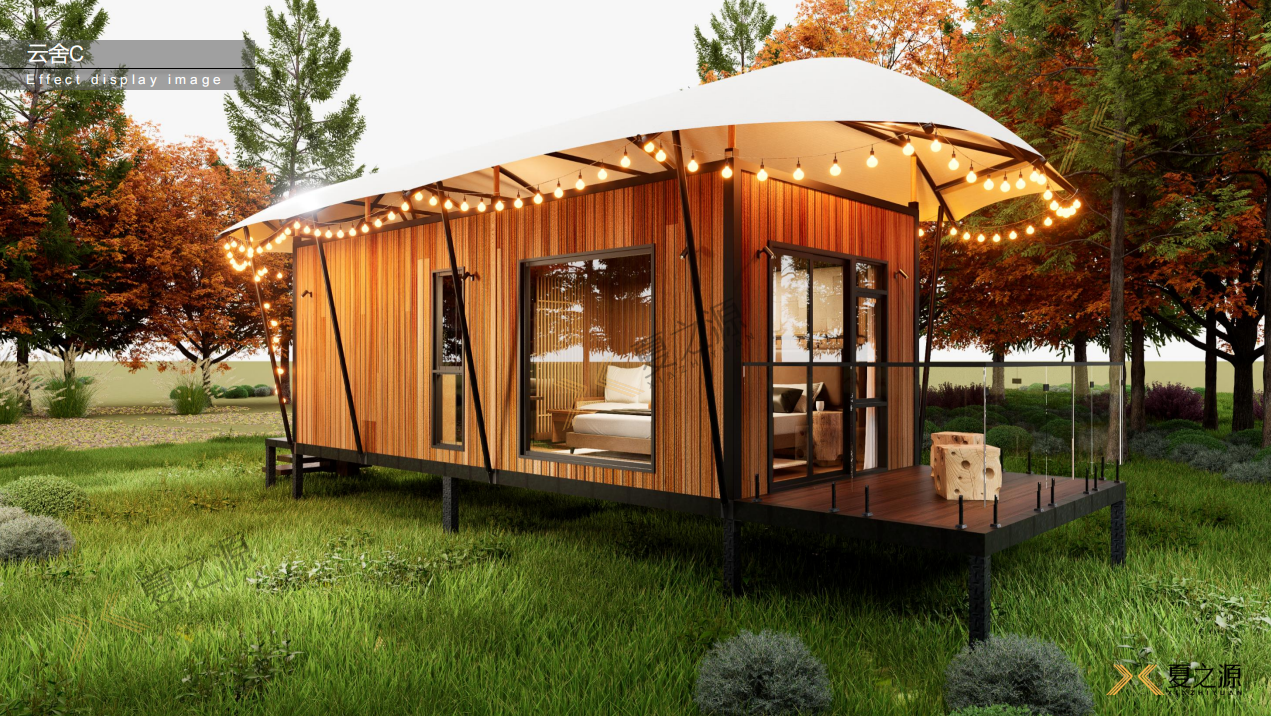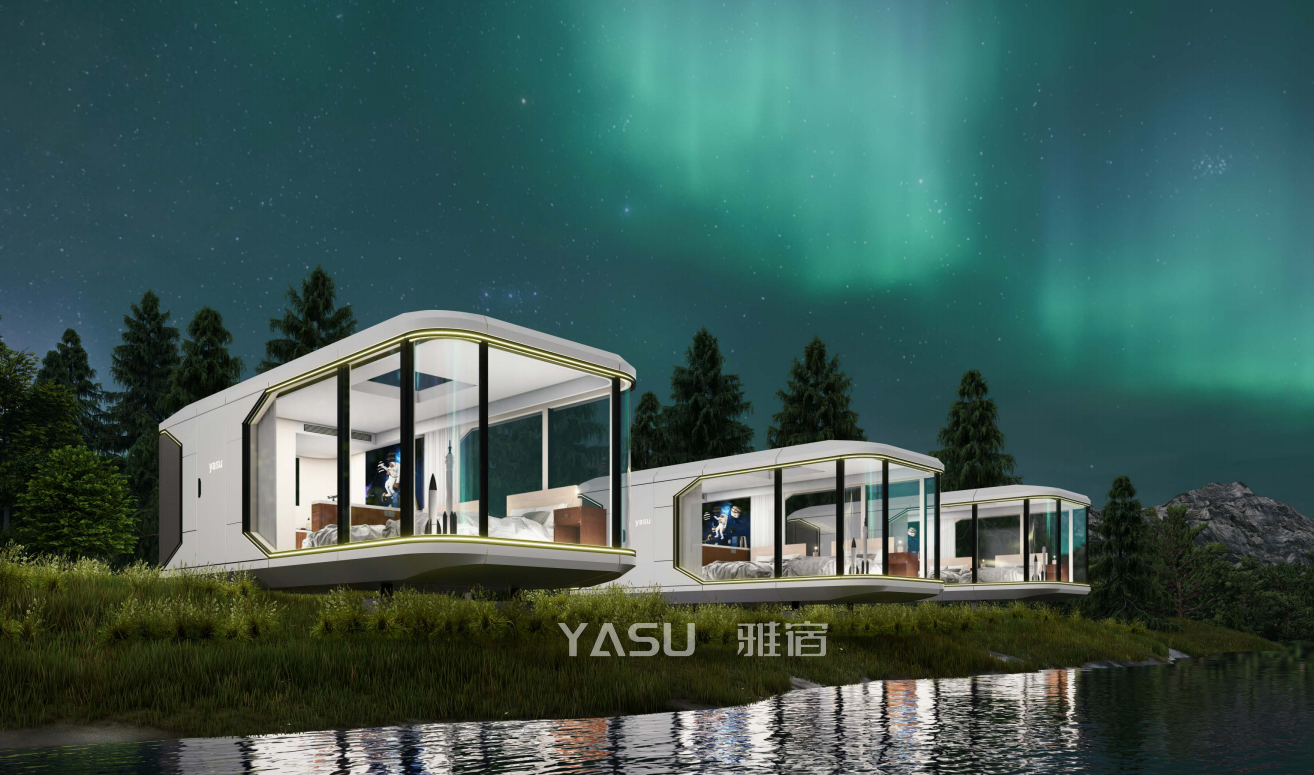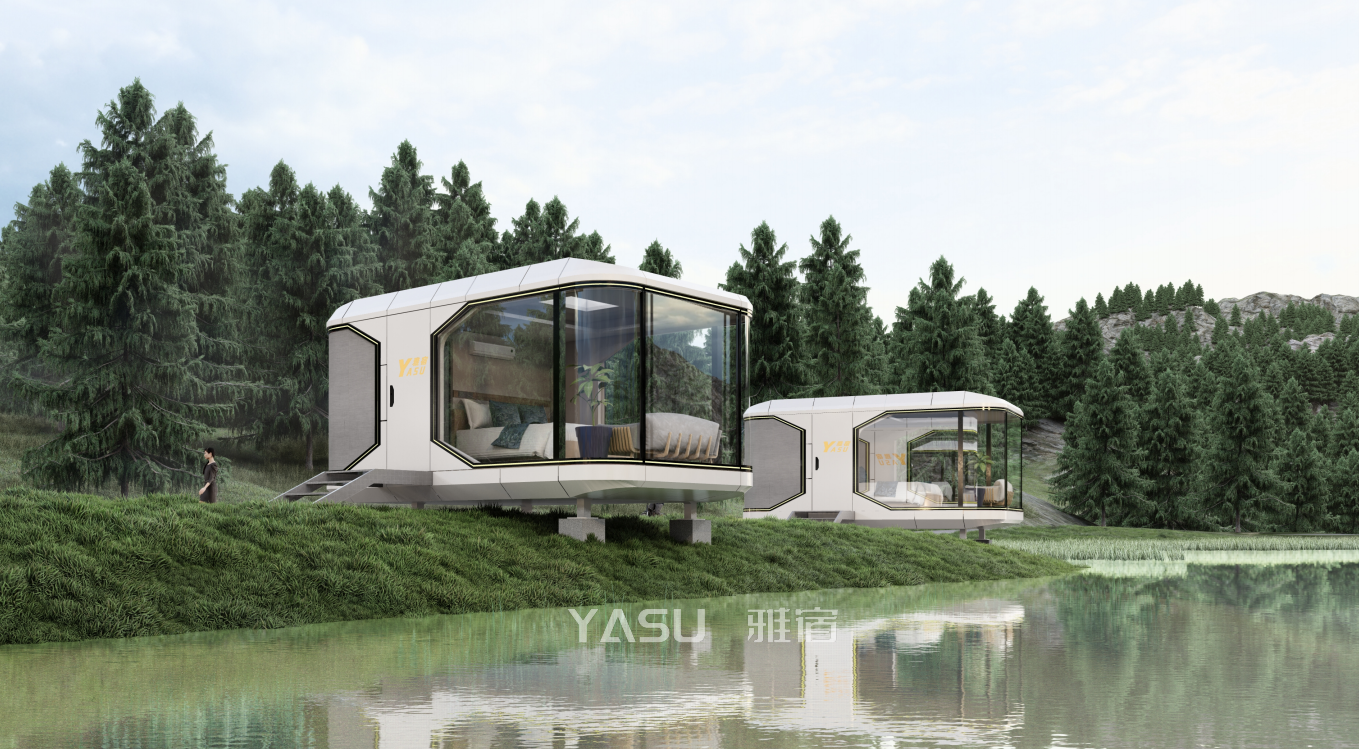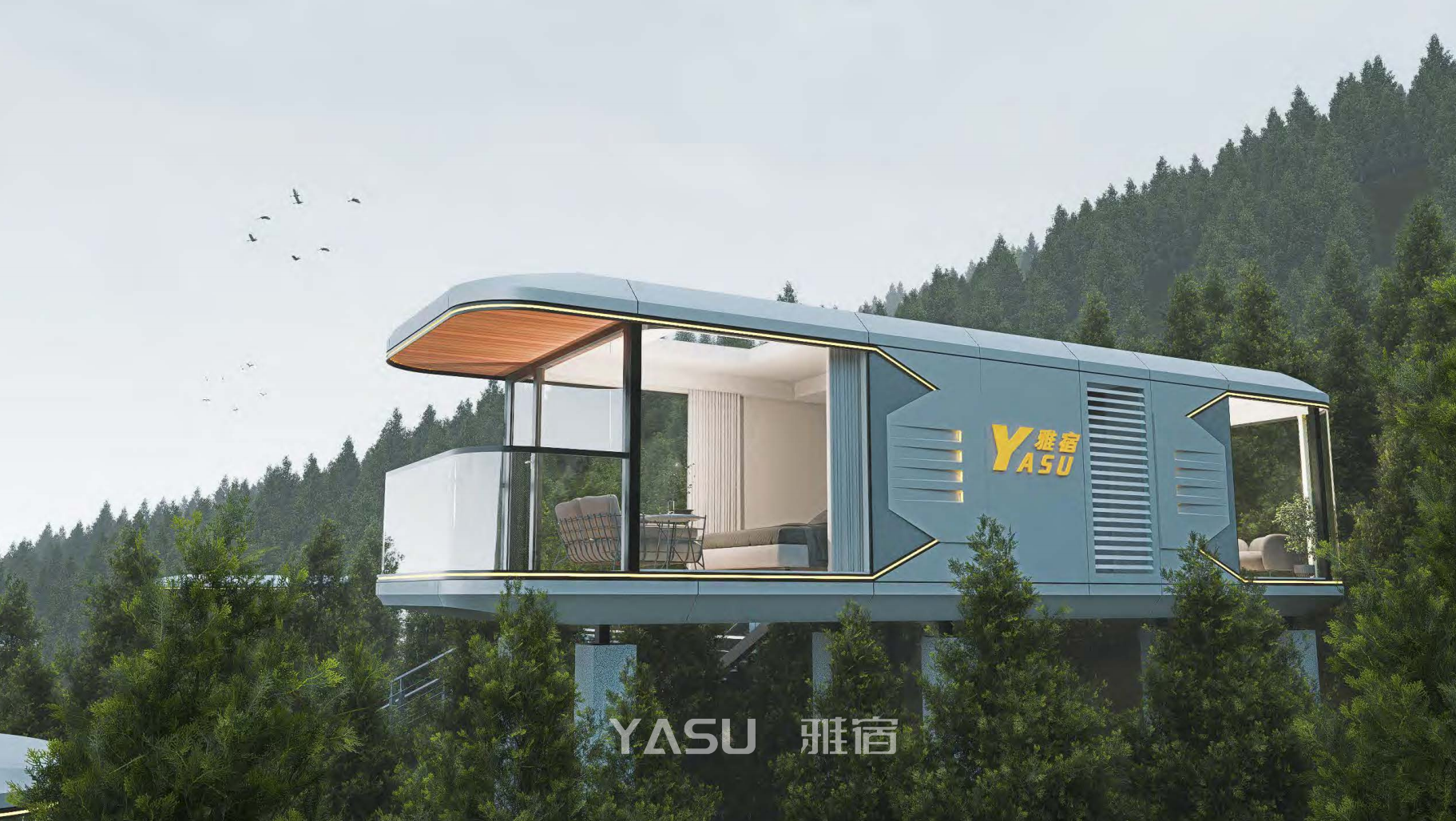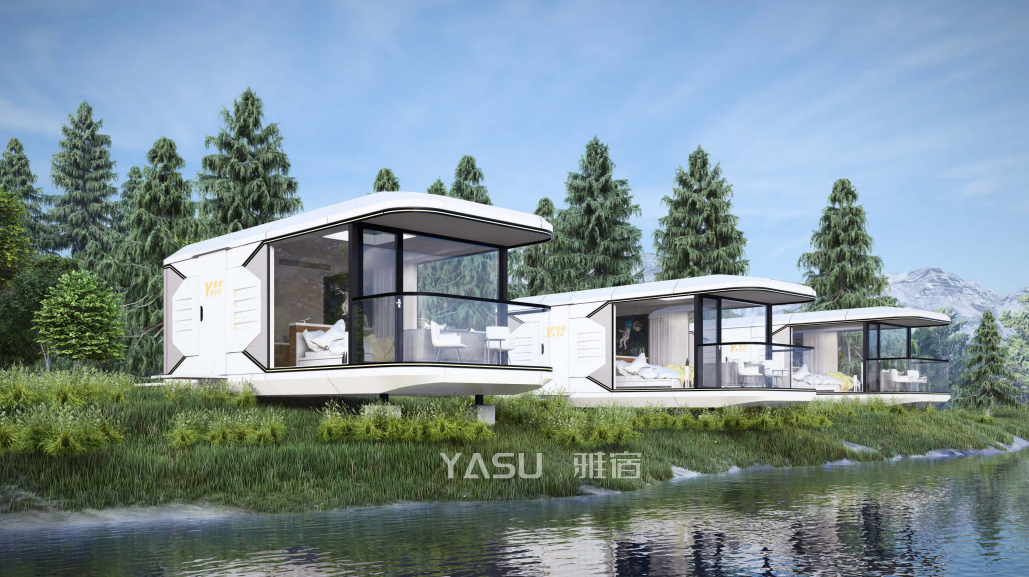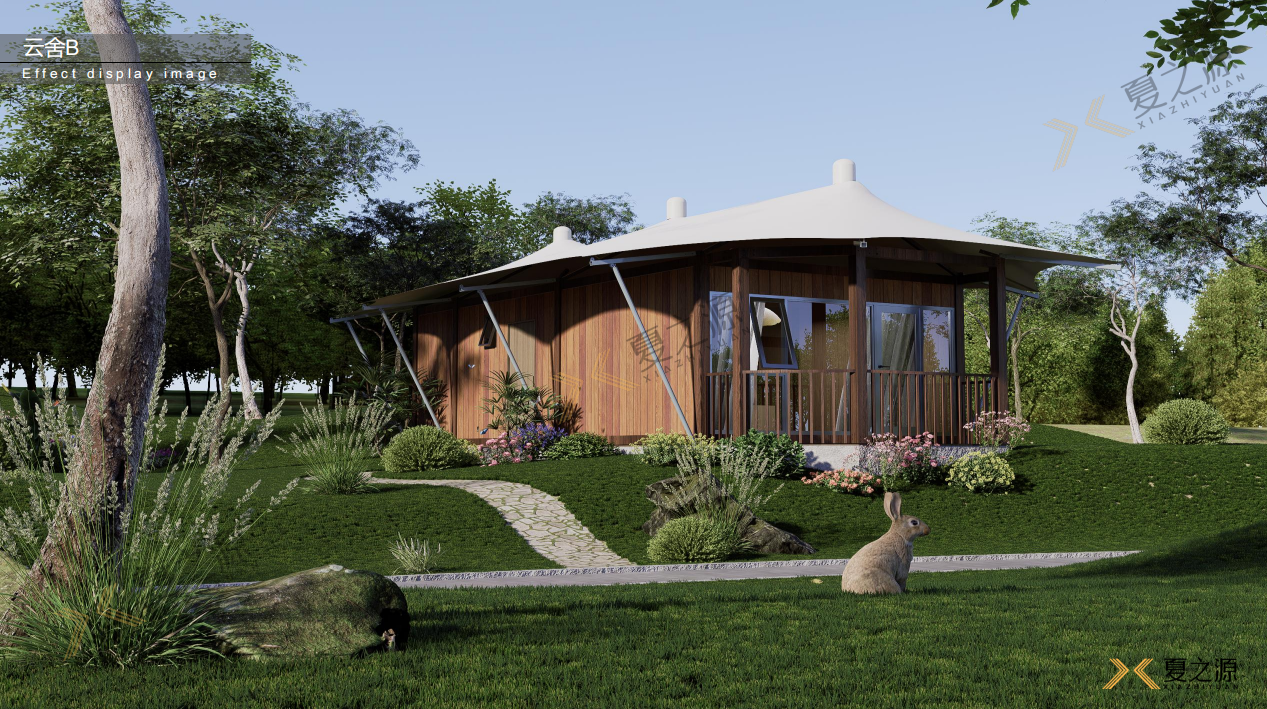
Dal concetto alla realtà: il processo di costruzione di case prefabbricate
From Concept to Reality: The prefab house Building Process
The prefab house market has experienced remarkable growth, driven by increasing awareness of sustainable building practices and the desire for nature-connected living spaces. This comprehensive guide explores everything you need to know about choosing, designing, and maintaining a prefab house.
Top Benefits of Choosing a prefab house
The growing popularity of prefab house is no coincidence. These structures offer a compelling combination of advantages that make them an attractive alternative to traditional construction methods.
Environmental Sustainability
One of the most significant advantages of a prefab house is its environmental profile. Timber is a renewable resource that naturally sequesters carbon dioxide. Compared to concrete and steel construction, wood-based buildings typically have a 30-50% lower carbon footprint. Modern prefab house manufacturing processes minimize waste, and prefabricated components reduce on-site disruption to the natural environment.
Speed of Construction
Traditional construction projects can take 6-18 months from groundbreaking to completion. In contrast, a prefabricated prefab house can be designed, manufactured, and installed in as little as 2-4 months. This dramatic reduction in construction time translates to lower labor costs, reduced financing expenses, and earlier occupancy or revenue generation.
Energy Efficiency
Wood has natural thermal insulation properties, with an R-value approximately 1.25 per inch. A well-designed prefab house with proper insulation packages can achieve energy performance ratings that meet or exceed those of conventional buildings. Many owners report heating and cooling cost reductions of 20-40% compared to similar-sized traditional structures.
prefab house vs Traditional Construction
When comparing a prefab house to conventional brick-and-mortar or steel-frame construction, several key differences emerge:
- Construction Speed: prefab house are typically completed 50-70% faster than traditional builds
- Cost Predictability: Factory manufacturing ensures fixed pricing with minimal unexpected cost overruns
- Quality Control: Controlled factory environments enable consistent quality that on-site construction cannot match
- Flexibility: Many prefab house can be disassembled and relocated, offering unmatched flexibility for changing needs
- Environmental Impact: Significantly lower embodied energy and carbon emissions throughout the building lifecycle
Investment Value
A well-maintained prefab house can last 50-100 years or more, making it a sound long-term investment. In the hospitality sector, cabin-style accommodations consistently command premium rates, with some properties achieving 30-60% higher occupancy rates compared to standard hotel rooms. For personal use, the unique appeal of natural wood living contributes to property value appreciation in desirable locations.
Ready to explore how a prefab house can meet your needs? Our experienced team is here to guide you through every step of the process, from initial concept to final installation.
Articoli Correlati
solida guida ai prezzi della baita in legno 2026: quanto paghi effettivamente rispetto a quanto preventivato
Perché gli operatori del settore alberghiero passeranno alle case in legno ad alta efficienza energetica nel 2026