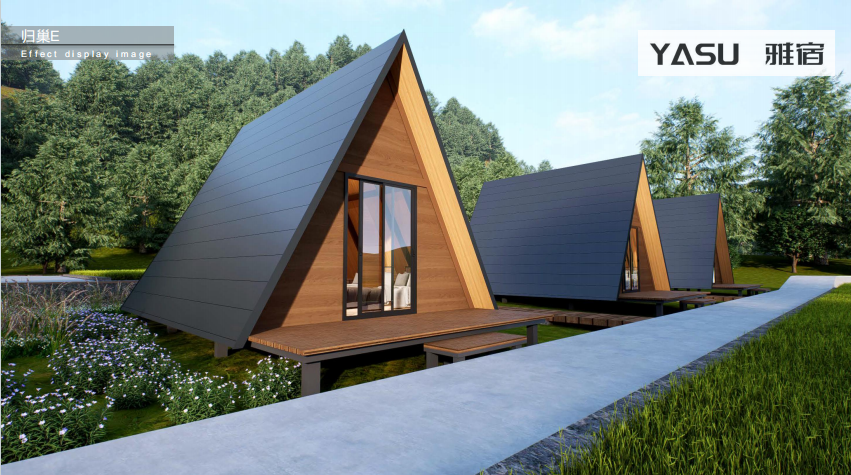
タイニーハウス: 2026 年の最も急成長する住宅トレンドについて解説
Tiny House vs Traditional Construction: The Real Comparison
This question comes up in every tiny house evaluation. Here's the honest comparison based on project data and owner interviews.
Speed to Completion
A factory-built tiny house: 3-6 months order to move-in. Traditional construction: 8-14 months. For commercial operators, that 6-month head start often covers the entire cost premium — one resort owner's calculation showed $180,000 in additional revenue from earlier opening.
Quality Consistency
Factory environments win consistently. Timber moisture content is monitored, cuts are CNC-precision, and quality checks happen before shipping. Site-built quality varies with crew experience and weather conditions.
All-In Cost Comparison (1,200 sq ft)
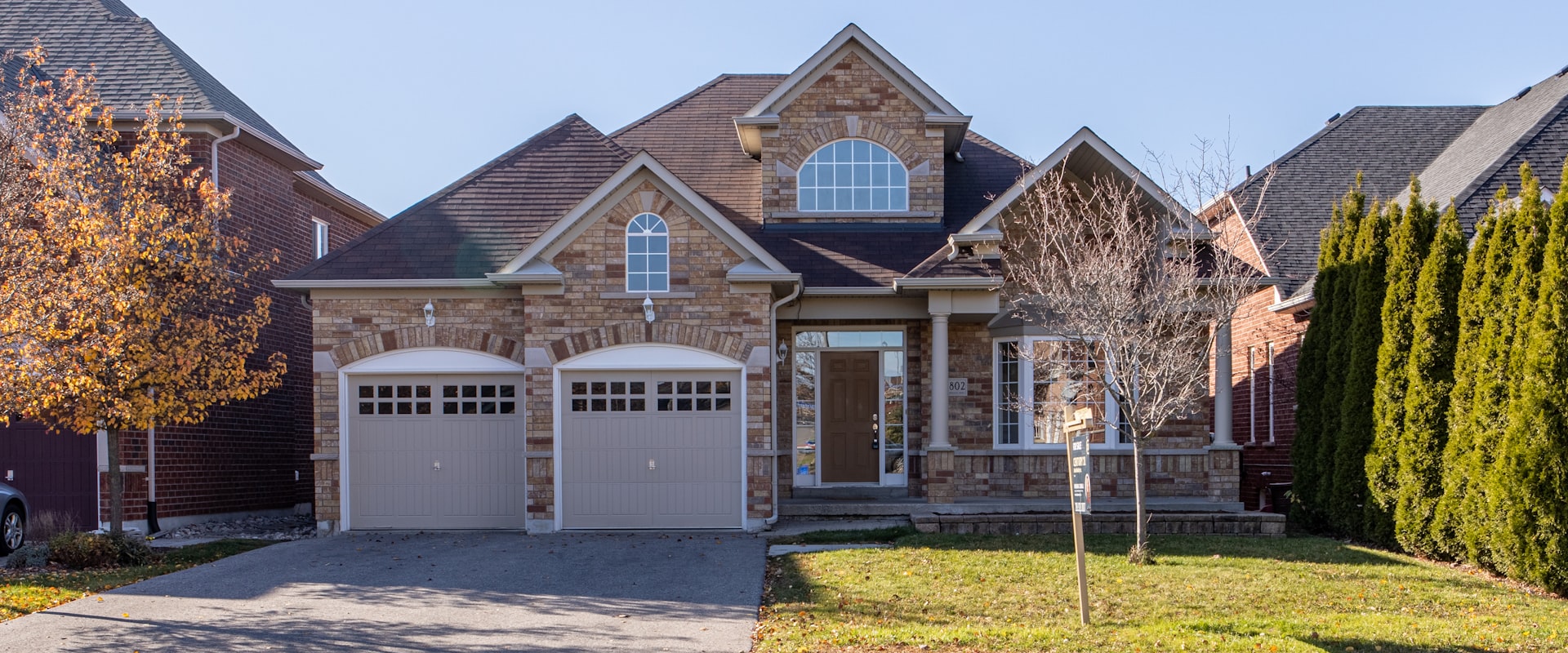
- Traditional construction: $220,000 – $370,000
- Tiny House: $150,000 – $270,000
The gap is real but narrows with custom specifications and complex site conditions. The prefab advantage diminishes when significant customization is required.
Energy Performance
Wood's natural thermal resistance (~R-1.25 per inch) combined with factory-sealed assembly typically delivers 30-50% lower heating and cooling costs versus comparable traditionally-built structures.
Resale and Financing
Well-built tiny house properties hold value well. Lender perception is improving, though some traditional mortgage products still require additional documentation. This is changing rapidly as prefab construction enters the mainstream.