빈 부지에서 완성된 이동식 주택까지: 단계별 타임라인
From Empty Lot to Finished mobile home: A Step-by-Step Timeline
The market for mobile home has changed a lot in the past few years. Prices have shifted, building techniques have improved, and what used to be considered a niche option is now mainstream. But with more options comes more confusion. This article cuts through the noise and focuses on the decisions that actually impact your outcome — from choosing a manufacturer to understanding what your final cost will really look like.
Mobile Home Foundation Options: Choosing What's Right for Your Site
The foundation is arguably the most important part of any building, yet it's often the least discussed during the planning phase. After reviewing the options and talking to builders about what works (and what doesn't), here's a practical comparison to help you decide.
Concrete Slab
A poured concrete slab is the simplest and most cost-effective foundation for a mobile home on flat, well-drained sites.
Best for: Flat lots with good drainage, warm to moderate climates, slab-on-grade designs
Cost: ,000 – 2,000 for a typical mobile home footprint
Pros: Fast installation (1-2 days), low cost, provides a finished floor surface, good thermal mass
Cons: Requires flat site, limited access to plumbing and electrical if repairs are needed, poor performance in frost-prone areas without proper insulation, permanent — can't relocate the structure
Tip: If you're in a cold climate, insist on a frost-protected shallow foundation design. It adds ,000-,000 but prevents frost heave damage that can destroy a standard slab.
Crawlspace Foundation
A crawlspace raises the structure 2-3 feet off the ground on perimeter walls or piers, creating an accessible space beneath the floor.
Best for: Sloped lots, cold climates (allows insulation under floor), areas where plumbing access is needed
Cost: ,000 – 8,000
Pros: Provides access to utilities, allows insulation beneath the floor, works on moderately sloped terrain, easier to level on uneven sites
Cons: More expensive than slab, needs ventilation or conditioned space design, can attract moisture if not properly sealed
Tip: If you choose a crawlspace, seal and condition it (insulated walls, vapor barrier on ground, dehumidifier if needed). Unvented, conditioned crawlspaces perform much better than the old vented design approach.
Full Basement
A full basement adds an entire floor of usable space below grade — essentially doubling your living area.
Best for: Cold climates, sites where digging down is practical, owners who need additional living or storage space
Cost: 0,000 – 5,000
Pros: Adds significant usable space, excellent thermal performance, protects against frost, increases property value
Cons: Highest cost option, not suitable for high water tables or rocky terrain, requires proper waterproofing and drainage
Tip: If your site has a high water table, a basement may not be practical regardless of how much you want the extra space. Get a geotechnical survey before committing to this option.
Screw Piles / Helical Piers
Screw piles are steel shafts with helical plates that are twisted into the ground like giant screws. They've become increasingly popular for mobile home projects and for good reason.
Best for: Remote sites, rocky or uneven terrain, temporary installations, situations where minimal site disturbance is desired
Cost: ,000 – 0,000
Pros: Installed in 1 day with small equipment, minimal site disturbance, works on steep slopes and rocky ground, allows relocation of the structure, no concrete curing time
Cons: May not meet all building codes (check locally), limited load capacity compared to full foundations, can be more expensive per unit of bearing capacity
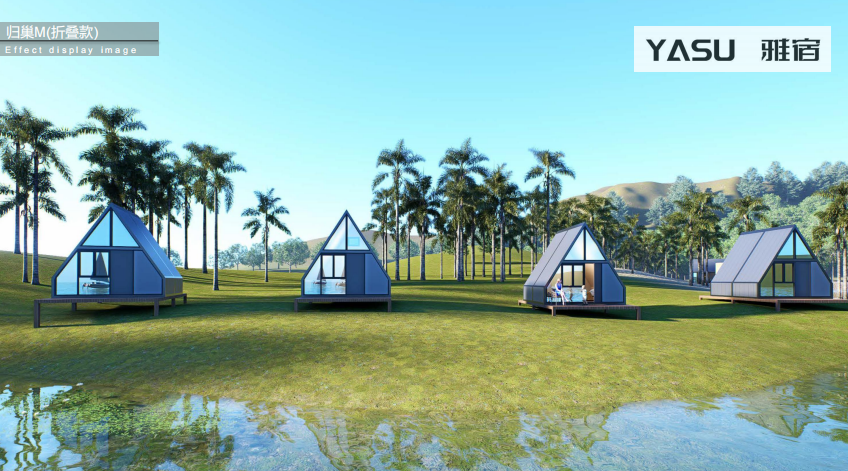
Tip: Screw piles are particularly well-suited for portable cabin installations on mountain or forest sites where bringing in concrete trucks is impractical or impossible. Several owners I spoke with chose this option specifically for its minimal environmental impact on sensitive natural sites.
Comparison Summary
| Foundation Type | Cost Range | Install Time | Site Requirements | Relocatable? |
|---|---|---|---|---|
| Concrete slab | K – 2K | 1-2 days | Flat, drained | Permanent |
| Crawlspace | K – 8K | 1-2 weeks | Flat to moderate | Difficult |
| Full basement | 0K – 5K | 2-4 weeks | Low water table | Not feasible |
| Screw piles | K – 0K | 1 day | Any terrain | Easy |
Frequently Asked Questions
- Can I change my mobile home's foundation later? This is extremely difficult and expensive. Choose your foundation type carefully during the planning phase — it's not a decision you can easily reverse.
- Do I need a structural engineer to design the foundation? In most jurisdictions, yes — especially for anything other than a simple slab on flat ground. Budget ,000-,000 for engineering design. It's a worthwhile investment that prevents costly problems.
- What's the best foundation for a sloped site? Screw piles or a stepped crawlspace foundation are your best options for sloped terrain. Both accommodate uneven ground while providing solid support for your mobile home.